Boiler Repair in Morris Park, Bronx
Delivering dependable heating diagnostics, mechanical repairs, and no-heat troubleshooting for single-family homes, semi-detached brick duplexes, and multi-family residential properties across Morris Park, Van Nest, and Westchester Square.
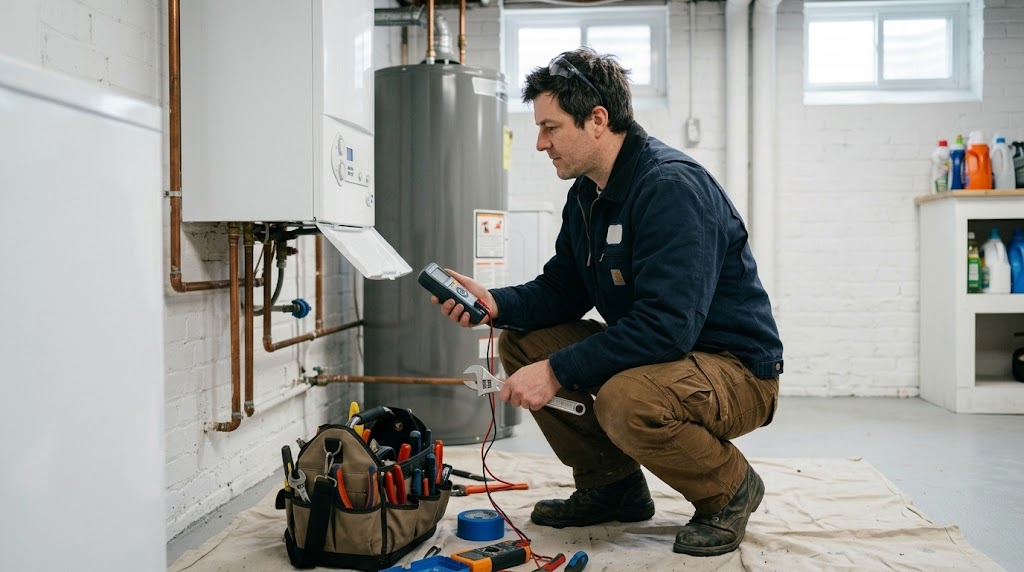
Expert Heating Diagnostics for Morris Park Properties
Residential heating in Morris Park reflects decades of classic East Bronx residential architecture. Properties along Morris Park Avenue, near Jacobi Medical Center, and bordering Bronx Park East encompass detached brick ranches, multi-story semi-detached homes, and multi-family walk-ups with active basement utility rooms.
When freezing winter weather strikes the East Bronx, heating systems shoulder immense operational demands. Whether your property requires prompt boiler repair Morris Park Bronx due to an unexpected system shutdown or targeted troubleshooting for uneven room temperatures, diagnosing the underlying cause prevents prolonged cold spells and frozen pipe risks. Our technicians isolate mechanical, hydraulic, and electrical ignition faults methodically.
If you are experiencing a complete heating outage requiring immediate no heat boiler repair Morris Park Bronx service, connecting directly by phone ensures you receive clear, actionable guidance from an experienced heating specialist.
Steam Boilers vs. Hydronic Hot-Water Boilers in Local Homes
Proper service begins with identifying the heating medium. In Morris Park, residential properties generally operate either low-pressure steam or closed-loop hydronic hot-water systems:
Low-Pressure Steam Boilers
Commonly found in older detached and semi-detached multi-story homes:
- Sight Glass Waterline: The water level must remain visible in the center of the gauge glass. A dry glass triggers the low-water cutoff to shut down the burner.
- Low Operating Pressure: Steam systems operate under 2 PSI. A malfunctioning pressuretrol can allow pressure to spike, blowing the safety relief valve and trapping steam.
- Air Vent Functionality: Every cast-iron radiator requires an active air vent to release trapped cold air. Clogged vents leave radiators stone cold.
- Pipe Pitch & Condensate: Uneven pipe grades trap condensed water, causing violent clanging and water hammer.
Hydronic Hot-Water Boilers
Widely used in modernized homes, split-levels, and multi-zone renovations:
- Circulator Pumps: Centrifugal pumps push heated water (140°F–180°F) through baseboard convectors or radiant floor loops.
- Closed System Pressure: Hydronic loops maintain 12 to 20 PSI via automatic pressure-reducing fill valves. Pressure loss stops heat flow to upper floors.
- Expansion Tanks: Diaphragm expansion tanks absorb water volume expansion. A waterlogged tank causes the 30-PSI relief valve to discharge.
- Air Elimination & Bleeding: Air bubbles trapped in copper baseboards stop water circulation, requiring manual bleeding.
For dedicated support on steam systems, explore our specialized steam boiler repair Morris Park Bronx services, or learn more about baseboard diagnostics on our hot water boiler repair Morris Park Bronx resource pages.
Warning Signs That Warrant Prompt Boiler Attention
Catching heating malfunctions before a total burner lockout prevents emergency freeze-ups and costly water damage. If your boiler not working Morris Park Bronx equipment displays any of the following symptoms, schedule an inspection:
No Heat or Burner Lockout
The electronic ignition module clicks or sparks, but the burner fails to ignite or cuts off after a few seconds. This points to dirty flame rectification sensors, failed thermocouples, or tripped safety limit switches.
Loud Banging & Kettling Sounds
Metallic banging in piping indicates steam colliding with pooled condensate. Rumbling kettling inside the boiler vessel signals heavy mineral scale buildup insulating the heat exchanger.
Water Pooling Around the Boiler
Puddles pooling under the boiler jacket signal leaking circulator pump gaskets, failed drain valves, cracked cast-iron boiler sections, or an actively discharging 30-PSI pressure relief valve.
Pressure Gauge Irregularities
Pressures rising above 30 PSI on hot-water boilers cause relief valves to discharge scalding water. Zero pressure means the automatic water feeder is clogged or closed.
Yellow Burner Flames & Sooting
A healthy gas boiler repair Morris Park Bronx burner produces clean, sharp blue flames. Yellow, lazy flames signify incomplete combustion, obstructed air shutters, or flue draft issues.
Low-Water Cutoff Cycling
Float-type low-water cutoffs choked with iron sediment falsely shut off the burner, or worse, fail to detect dry-fire conditions that crack cast-iron blocks.
Why Boiler Problems Occur in Local Bronx Properties
Residential buildings in Morris Park and neighboring Van Nest and Westchester Square feature basement mechanical layouts subject to decades of seasonal wear. During harsh East Bronx winters, boilers operate under continuous duty cycles. Over time, internal iron oxide sediment settles in bottom headers, reducing heat transfer and causing localized overheating.
In addition, older cast-iron piping networks experience minor building settlement that alters pipe pitch, while hard city water deposits scale inside heat exchangers. If you manage residential property near Morris Park Avenue or seek boiler repair near Van Nest or boiler repair near Westchester Square, recognizing these architectural factors ensures repairs address root causes rather than temporary symptoms.
Crucial Safety Warning for Property Owners
Never attempt to bypass a low-water cutoff safety switch, wedge open a gas control valve, disable a spill switch, or adjust a steam pressuretrol higher to force heat through stuck pipes. Doing so creates immediate risks of boiler explosion, dry-firing, gas leaks, or fatal carbon monoxide poisoning. Always call a qualified heating professional.
What Happens During a Boiler Repair Visit
We do not guess at heating issues or replace components without thorough testing. Every service visit follows a systematic diagnostic protocol:
-
1
Initial Visual & Safety Evaluation
We inspect the exterior boiler jacket, verify the gas shutoff valve, inspect chimney smoke pipes for chimney backdrafting, check carbon monoxide presence around the draft hood, and evaluate electrical disconnect switches.
-
2
Electrical & Control Circuit Testing
Using digital multimeters, we measure voltage across the 24V step-down transformer, thermostat terminals, aquastats, pressuretrol limits, spill switches, and electronic ignition modules.
-
3
Water Level & Hydraulic Pressure Verification
For steam units, we flush the low-water cutoff valve, verify clear sight glass response, and test pressure calibration. For hydronic units, we test cold and hot system pressures, expansion tank air bladder charge, and check for leaking relief valves.
-
4
Burner Assembly & Combustion Chamber Check
We inspect gas burner orifices, pilot burner assemblies, spark igniters, and flame rectification rods. We examine heat exchanger combustion surfaces for soot buildup, cracking, or iron oxide flakes that restrict flue gases.
-
5
Component Repair & Post-Service Operational Cycle
After executing targeted component replacements—such as thermocouples, zone valves, relief valves, or ignition controls—we fire the boiler through a full heating sequence to verify smooth burner ignition, stable pressure, and balanced heat distribution.
Repair vs. Replacement: Making an Informed Decision
Many boiler malfunctions can be economically resolved by replacing an ignition control, thermocouple, circulator pump, or pressure relief valve. However, catastrophic failures indicate that replacement is the safer, more cost-effective choice.
| System Consideration | When Repair is Recommended | When Replacement is Advisable |
|---|---|---|
| Heat Exchanger Integrity | Sections are clean, watertight, and show no metal fracturing or pinholes. | Cast-iron sections are cracked, rusted through, or leaking internal water into the combustion chamber. |
| Equipment Age | System is under 12–15 years old with solid body construction and available parts. | Unit exceeds 20–25 years old; replacement components are obsolete or discontinued. |
| Frequency of Breakdowns | Isolated mechanical breakdown (e.g. failing zone valve or weak circulator). | Multiple service calls each winter; ongoing electrical and ignition dropouts. |
| Operating Efficiency | Burner burns clean blue flame with balanced chimney draft. | Severe sooting, chronic heat loss, and dramatically escalating heating utility bills. |
If your heating plant has reached the end of its operational lifecycle, review our comprehensive guide on boiler replacement in Morris Park to learn about heating load calculations, venting requirements, and NYC code compliance.
Comprehensive Heating & Plumbing Services in Morris Park
In addition to dedicated emergency boiler diagnostics, we offer full residential support for interconnected water, steam, and gas infrastructure across the East Bronx:
Boiler Replacement
Turnkey removal and installation of high-efficiency cast-iron steam boilers and hydronic hot-water systems with precise heat loss calculations and NYC DOB filing.
Steam Heat & Radiator Repair
Resolving cold cast-iron radiators, hiss-prone air vents, stuck steam shutoff valves, and loud radiator pipe banging throughout older Bronx residences.
Water Heater Repair
Diagnostics for domestic hot water tanks, tankless heating units, and indirect water heaters tied into central residential boiler configurations.
Sewer Line Repair
High-resolution video camera pipe inspections, tree root clearing, spot repairs, and street line rehabilitation for subterranean sewer lines.
Sump Pump & Flood Protection
Primary submersible pumps, dual battery backups, and sewer backwater valve installations essential for basement groundwater and flood management.
Gas Line Repair & Inspection
Safe piping diagnostics, pressure testing, gas appliance hookups, and NYC Local Law 152 visual inspection compliance by licensed specialists.
Drain Cleaning
Clearing blocked kitchen sinks, slow main house traps, bathroom backups, and underground grease stoppages using mechanical rooters.
Frequently Asked Boiler Repair Questions
What causes a boiler to suddenly stop producing heat in Morris Park?
Common causes of sudden heat loss include an accidentally tripped emergency burner switch (often with a red cover plate at the basement stairs), dead thermostat batteries, a tripped safety limit switch, or low water levels triggering the low-water cutoff. In gas-fired boilers, thermocouple failure, a dirty flame rectification sensor, or electronic ignition module lockout can also extinguish the burner. If the equipment fails to restart, calling (315) 202-8009 connects you with a technician for prompt diagnostic evaluation.
What is the difference between steam and hot-water boiler repair?
Steam boilers boil water to push vapor through distribution pipes at low pressure (typically 0.5 to 1.5 PSI) and rely on sight glass monitoring, low-water cutoffs, pressuretrols, and air vents on radiators. Hydronic hot-water systems circulate heated water (140°F–180°F) in a closed pressurized loop (12 to 20 PSI) using mechanical circulator pumps, zone valves, and expansion tanks. Diagnostic procedures and safety testing differ substantially between the two designs.
When should a boiler be replaced instead of repaired?
Replacement is generally advisable when cast-iron boiler heat exchanger sections crack or leak internally into the burner tray, when the unit is over 20 to 25 years old and replacement parts are discontinued, or when recurring annual breakdown costs approach the cost of a modern high-efficiency replacement.
What should I do if water is leaking from my boiler?
If water is actively leaking, check the pressure gauge. If pressure exceeds 30 PSI, the temperature and pressure (T&P) relief valve may be discharging to prevent over-pressurization. If water is pooling around pump flanges or drain valves, place a bucket to catch runoff, turn off the electrical emergency switch, and call a qualified technician. Never attempt to cap or plug a discharging relief valve, as this creates an explosion hazard.
What should I do if I suspect a gas leak around the boiler?
If you smell natural gas (a distinct rotten-egg odor) or hear hissing near gas valves, evacuate the building immediately. Do not operate light switches, unplug cords, or use phones inside. Once safely outside, call 911 or Con Edison emergency immediately. Do not call standard service numbers until emergency personnel certify the building is safe.